
What do you actually do with a server rack in Space Engineers 2?
A coworker asked. The real answer is role play.
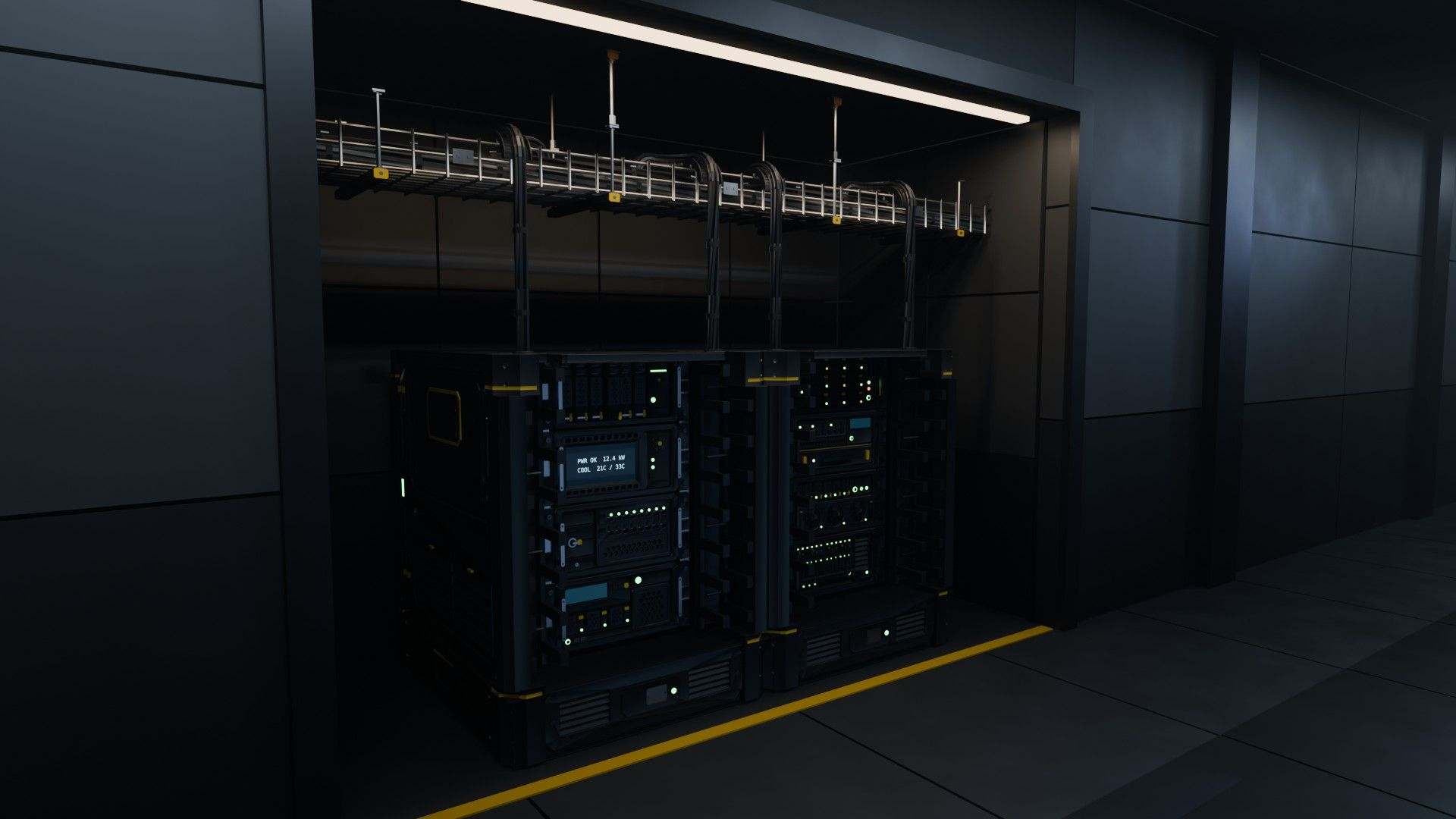
I showed the site to a few coworkers this week and one of them asked what you actually do with servers in the game. They don't play Space Engineers, so fair enough. A server rack in a space game does sound a bit random.
The quick answer is that they run your ship. The longer answer is that they're built for role play, which is half of why I play sandbox games in the first place.
Your ship already has a brain
Space Engineers has a few blocks that make your builds run themselves. Timer blocks fire off a list of actions after a delay, like closing the hangar doors, turning the lights on and starting the engines. Event controllers wait for something to happen, say a door opening or a tank running low, and kick those actions off for you. The first game also has the programmable block, which runs C# you write yourself. People have done ridiculous things with it. Someone built Minecraft in one.
In a normal build, though, all of that lives in a few blocks bolted to whatever wall had space. Your ship's brain is somewhere behind the cockpit and you never think about it again.
So we put it in a rack
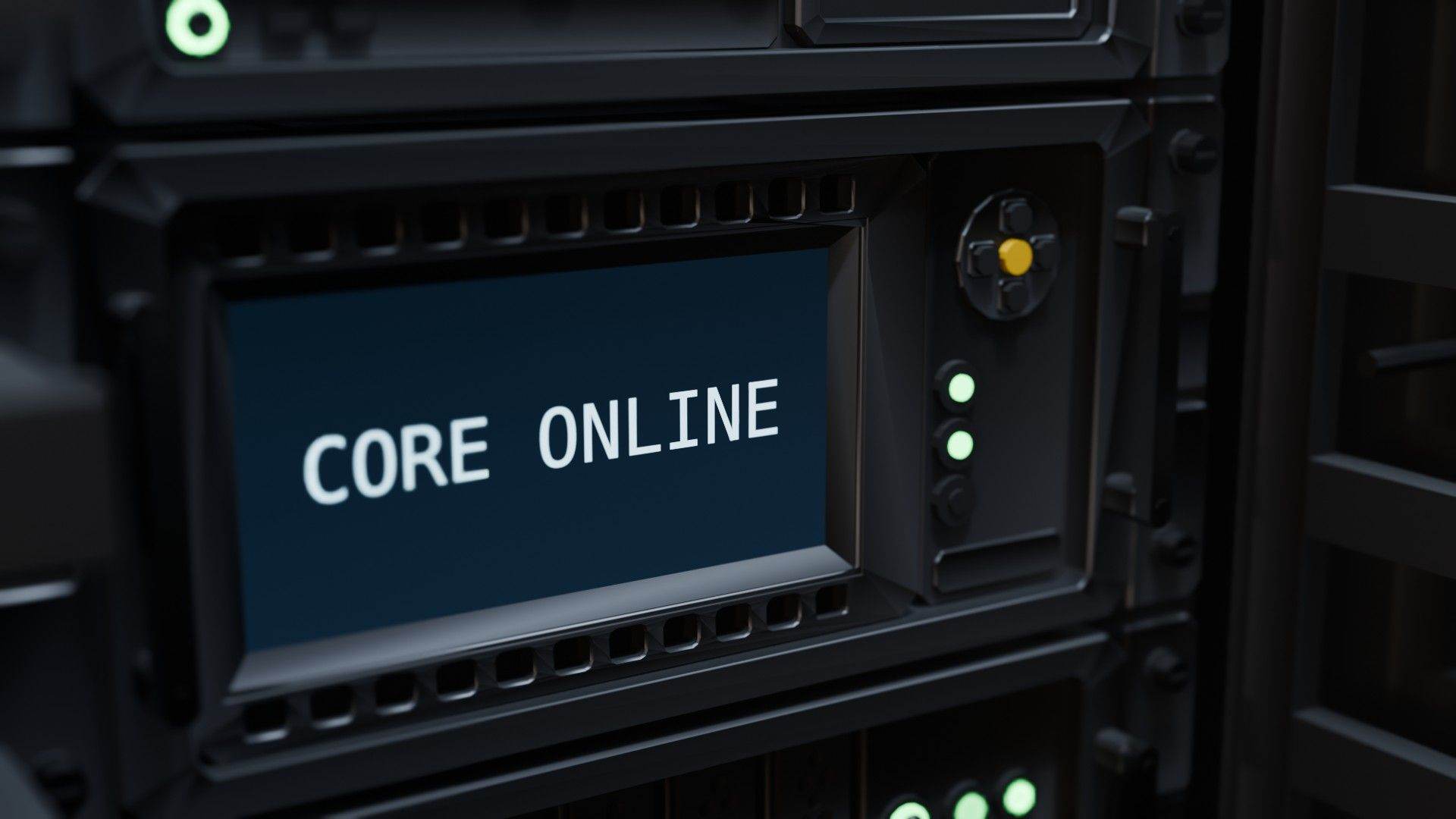
Every working server in Data Center is one of the game's own blocks in a rack-server body. The Timer server is a timer, the Event Controller server is an event controller, the Status Display is an LCD, the UPS is a battery and the KVM Console is a control panel. Same settings, same terminal, so whatever you already know how to set up still works. The Programmable server is the one exception for now: SE2 doesn't run scripts by default yet, so it only runs your code if you launch the game with -loadScripts. (Keen, if you're reading this: official mod scripts and in-game scripting whenever you're ready. No pressure. Okay, a little pressure. I really want to see how far this engine can be pushed.)
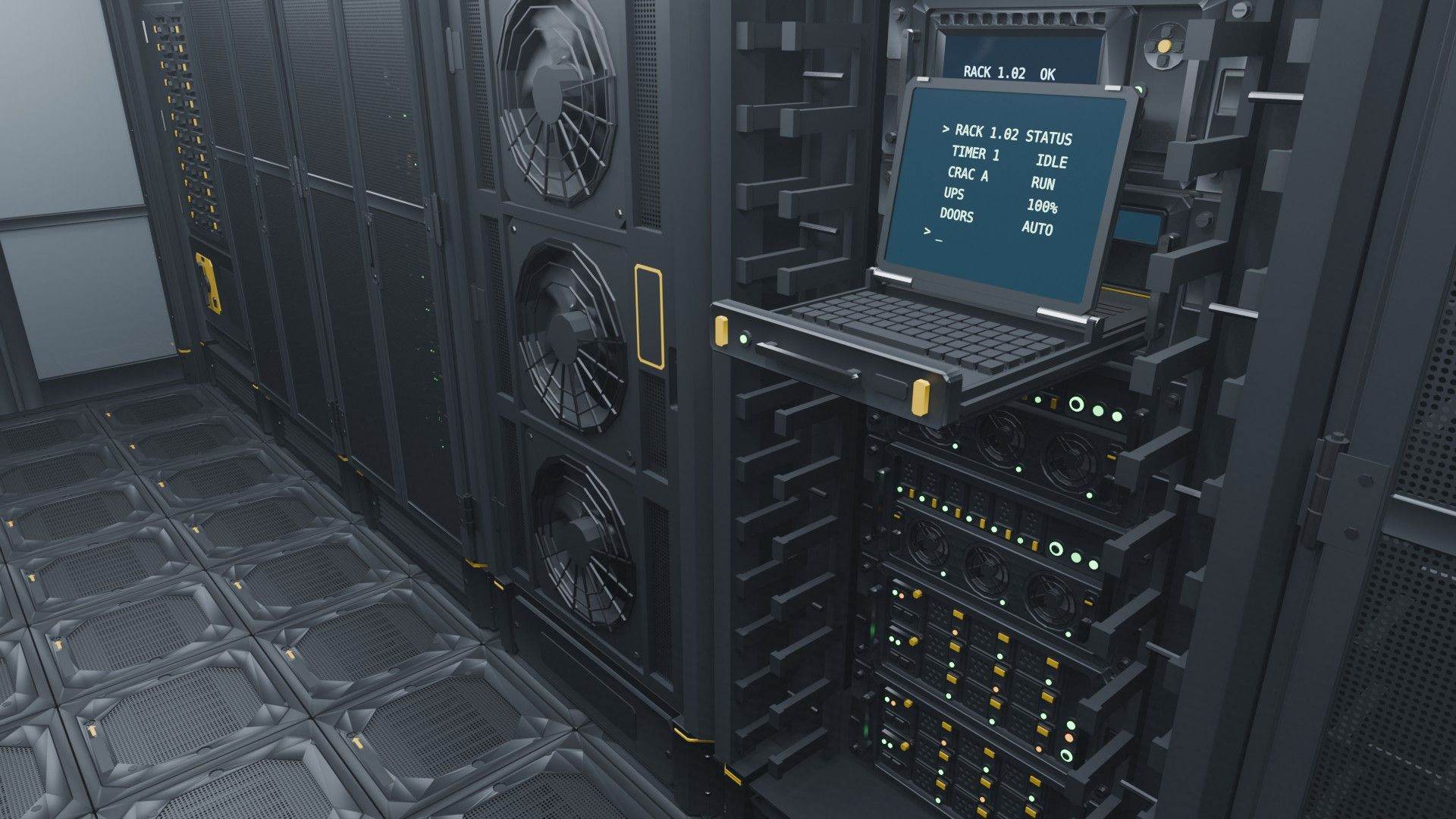
The servers slide into racks, the racks have doors that swing open, and when you switch the KVM on, its drawer slides out and the screen flips up. None of that makes your timer any smarter. It just turns your ship's brain into a place you can walk up to.
Why there's a whole room
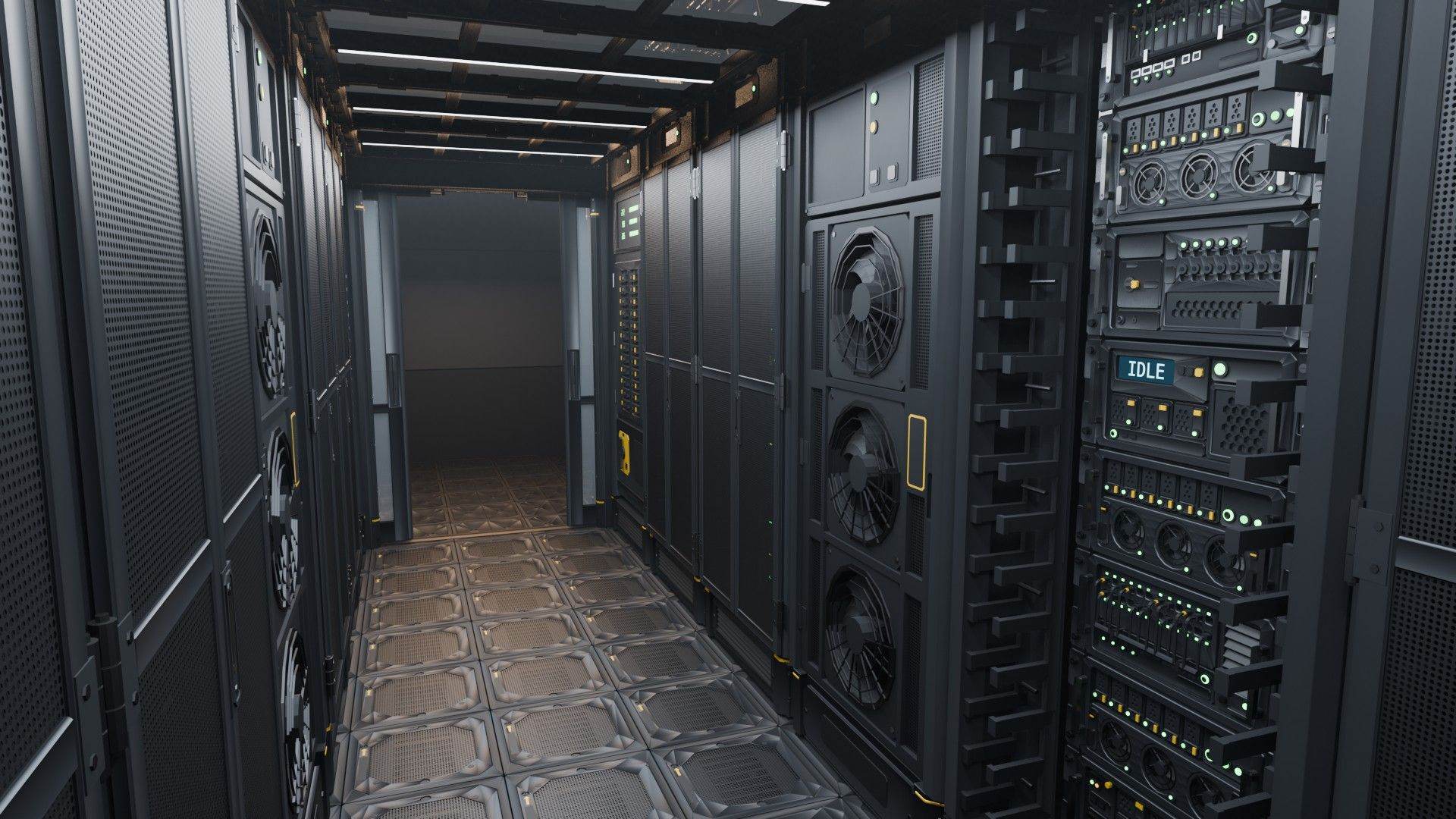
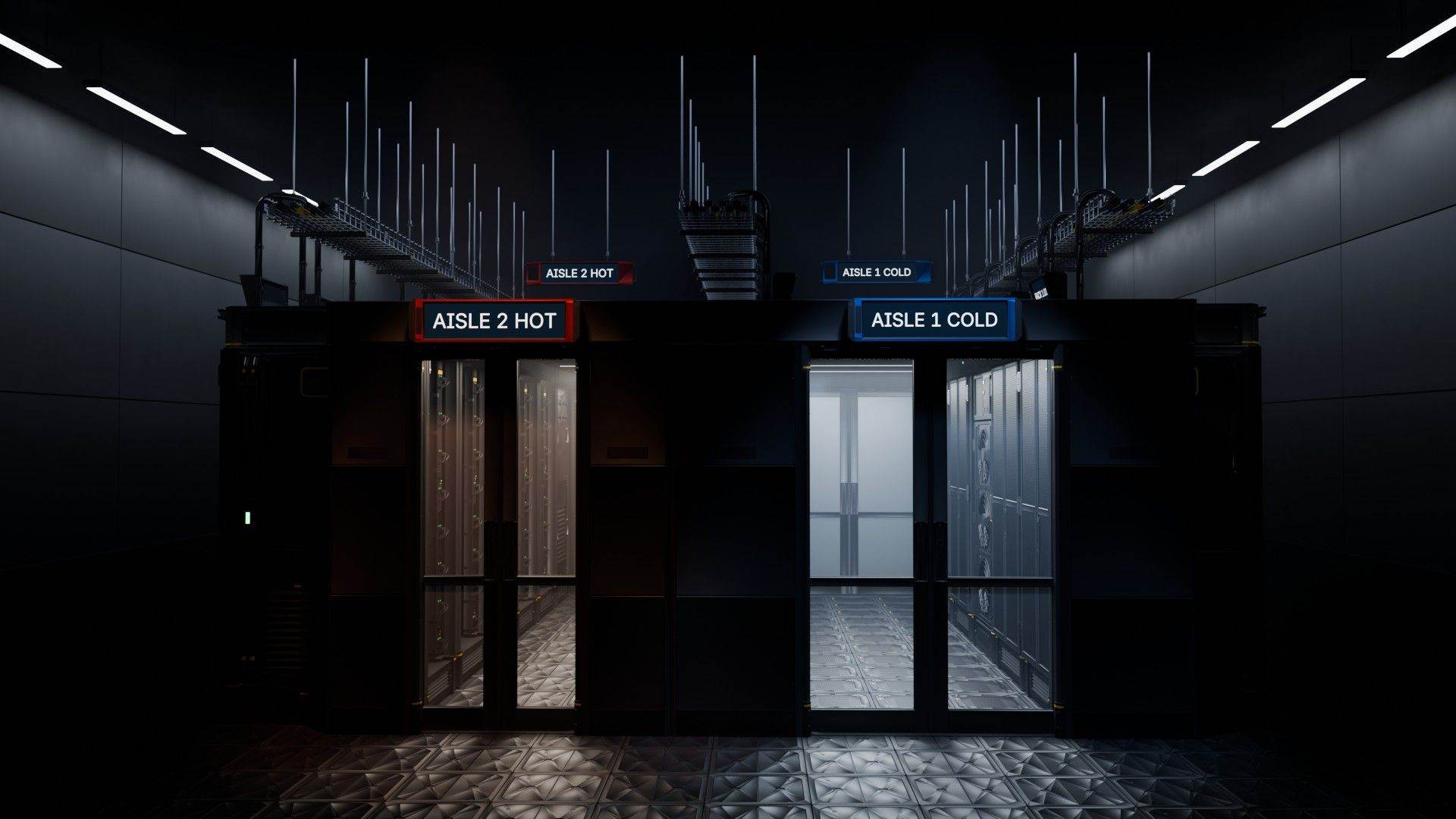
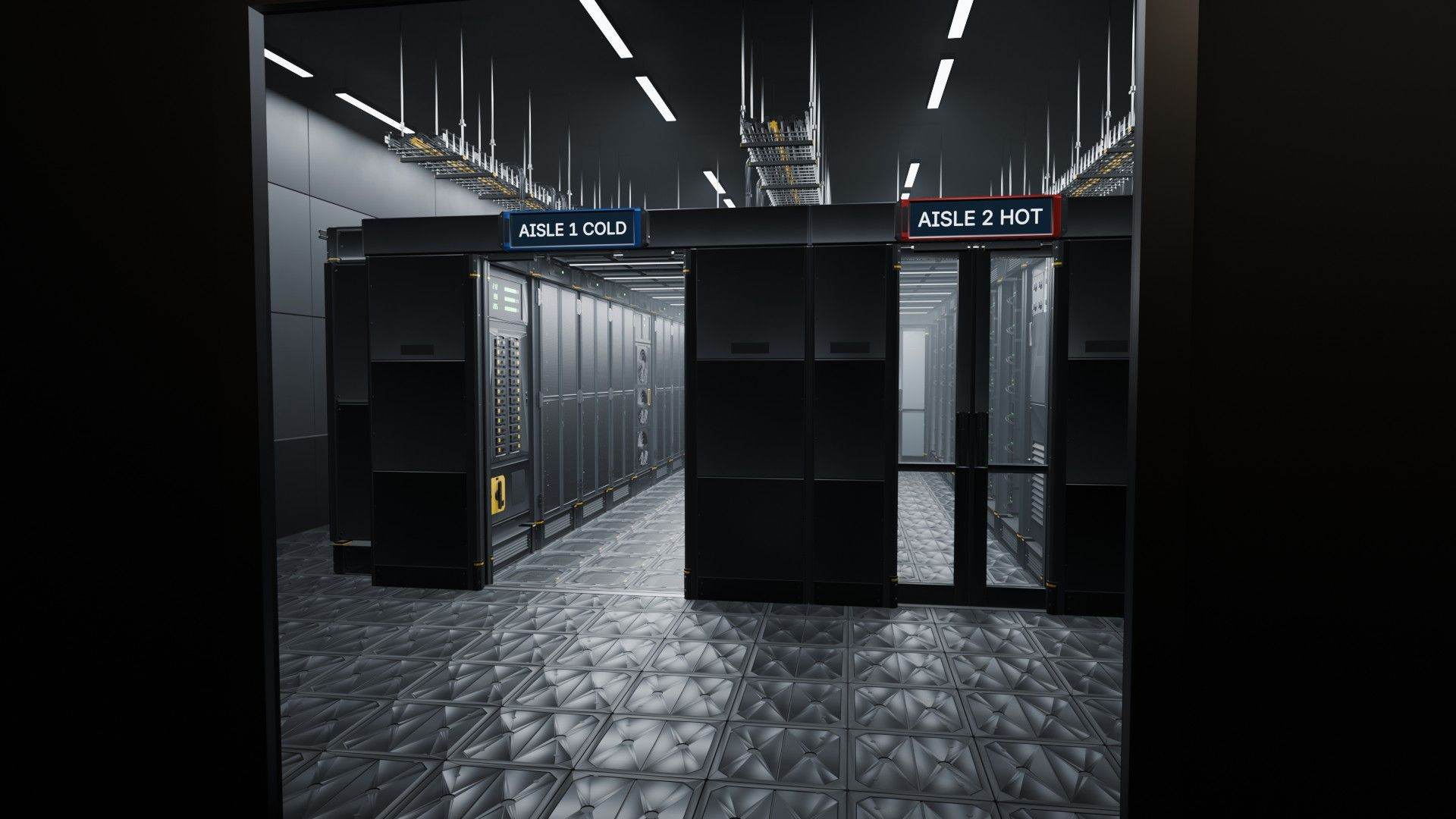
If I was going to make racks and servers anyway, I figured why not do the room too. So there are raised floor tiles, hot and cold aisle containment with real doors, cable trays that run overhead and drop into the racks, and an in-row cooler whose fans spin up when it gets power. It doesn't cool anything, since SE2 has no heat, but it's very good at looking busy.
I don't expect everyone to use all of that. How much detail you put into a build is a personal thing. Some people will tuck two half racks behind the bridge and call it done, and that's a perfectly good use of the mod. Some people will build the whole hall. I spent eight years working in data centers, so you can probably guess which one I am.
Built for role play
I've always enjoyed a bit of role play in sandbox games like this, and that's really what Data Center is for.
Picture your mining ship with a little server closet off the main corridor, the status display telling you what the ship's up to before you even reach the cockpit. Or a station with its data core sealed behind aisle doors. In multiplayer everybody knows where that room is, which makes it the first thing you defend and the first thing the other side comes looking for.
And when you come home after a long trip and a screen in the rack says CORE ONLINE, it doesn't do a single thing for your ship's performance. It just feels right.
I really admire the people who take this seriously. The Sigma Draconis folks are a great example: a community that modded and tweaked the first Space Engineers until it plays like a certain sci-fi universe with some very good drives. That's real dedication, and it's the kind of thing that makes me want to build more. Data Center is a small first step in that direction.
This wasn't possible in SE1
What Data Center does today couldn't have been done in the first game. SE2's unified grid lets small, detailed parts sit right alongside the big ones, which is how a server can be one slot in a rack instead of a whole block of its own, and how a room can have floor tiles, cable trays and door frames that line up.
And the game is still in alpha. With what I think Keen has planned, we could end up with 10x, maybe 100x the realism we have now. Imagine what a dedicated team of server builders and modders could do with that: whole role-play universes where the ships, the stations and the rooms inside them all feel like they actually work.
Ideas we can't stop thinking about
None of this is planned, so don't hold us to it. It's just the kind of thing we talk about way too much.
Say Keen adds a full currency system someday. I'd bet they will, and if they don't, some mod author probably will. Now picture a crypto mining server. It slides into your rack, it makes you money, and it eats power like nothing else on the ship. If you've ever wanted to explain to your faction why the lights keep going out, this is your chance.
Or hacking. Red team servers on one side, blue team servers on the other, and the fight happens over the network instead of with guns. A red team parks a ship full of attack servers outside your station and goes after the data core remotely, while your blue team's racks try to keep them out. Suddenly that room behind the aisle doors matters a lot more. Give it a month and someone would be running capture the flag on a dedicated server. DEF CON in space, and the Wi-Fi still wouldn't be safe.
That's really what I mean by all this. A game like Space Engineers is what you make of it. Keen does a great job giving us so much cool stuff, but they know and we know that modding is what this game is built for. We're a community, and an awesome one at that. What we love about the team at Keen is that they understand that desire, because it's exactly the same one they have.
We'd love to hear what you'd put in a rack, or what you'd build around one. There's no Discord yet, so for now the place for that is Data Center's Discussions on GitHub. The code's there too, under the GPL, if you're curious how a timer block ends up in a rack.